Biophilic Design 2026: Bringing Nature Into Your Home
Embracing the Natural World in 2026
As we navigate the demands of 2026, the concept of home has evolved from a simple place of shelter into a sanctuary for mental and physical restoration. Biophilic design—the practice of connecting built environments with the natural world—is no longer just a luxury trend for high-end architects; it is a fundamental pillar of modern American home decor. By integrating natural light, organic materials, and living greenery, homeowners are finding that they can significantly lower stress levels and boost productivity right from their living rooms.
Bringing the outdoors in isn't just about placing a few potted plants on a windowsill. It is about creating a holistic environment that mimics the rhythms of nature. In 2026, we are seeing a shift toward tactile experiences, where textures like raw wood, stone, and natural fibers take center stage. If you are looking to refresh your space, you might want to check out the best home garden bargains and limited time offers to find affordable ways to incorporate these natural elements without breaking your budget.
The Core Pillars of Biophilic Interior Design
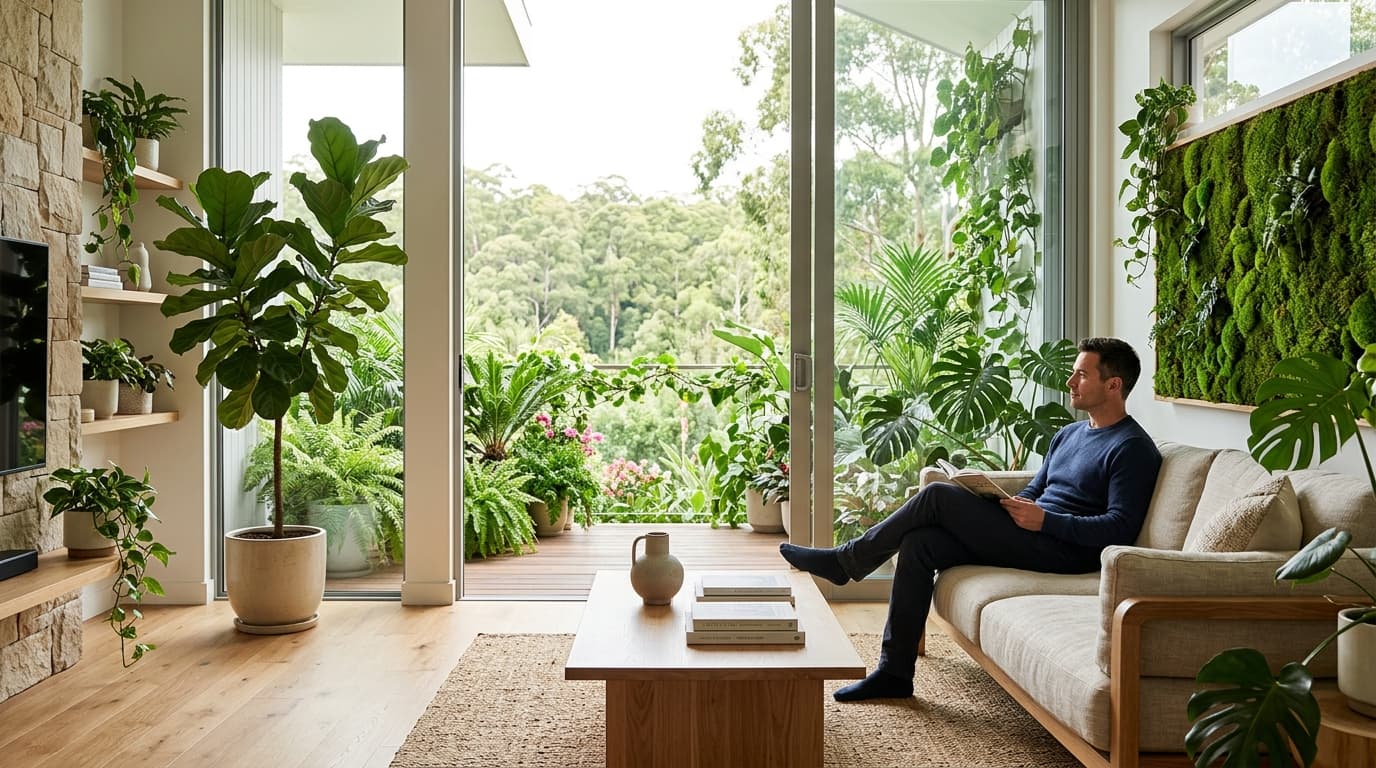
To successfully implement biophilic design in your house, you should focus on three specific pillars: direct nature, indirect nature, and spatial experience. Direct nature involves literal contact with natural systems, such as indoor water features, lush plant walls, or abundant sunlight. Indirect nature uses images, materials, and colors that reflect the natural world, while spatial experience deals with how we move through and perceive our rooms.
Maximizing Natural Light and Airflow
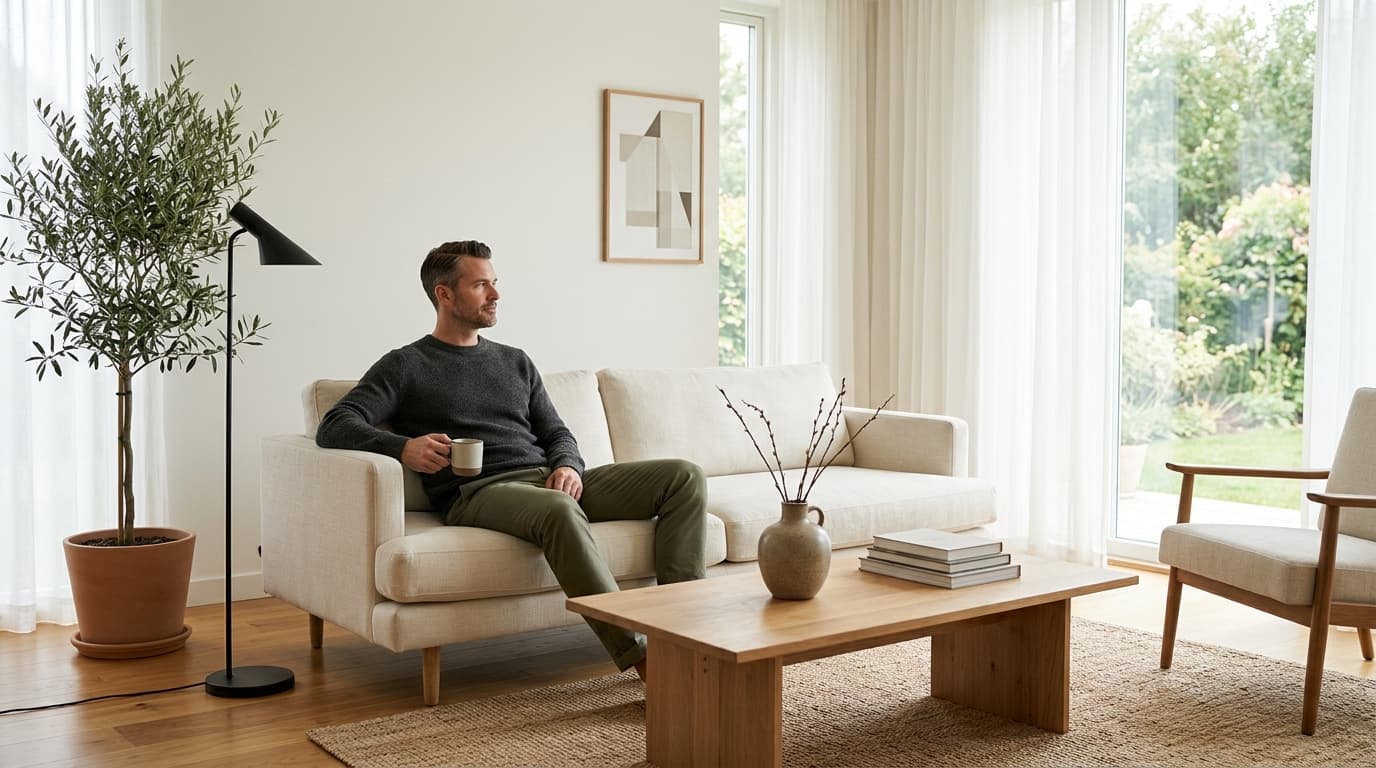
In 2026, the obsession with open-concept living has evolved into a need for 'breathable' spaces. Large, floor-to-ceiling windows are becoming standard in modern renovations. If you cannot change your architecture, you can simulate this by using sheer curtains that diffuse light softly or by strategically placing mirrors to bounce natural light into darker corners of the home. Furthermore, upgrading your home’s air filtration system or simply ensuring that your windows are designed for cross-ventilation can make a world of difference in your daily comfort.
Organic Materials and Earthy Palettes
Gone are the days of sterile, all-white minimalist homes. The 2026 color palette is heavily influenced by the forest floor, desert sands, and ocean depths. Think deep moss greens, terracotta oranges, and soft sandy beiges. When selecting furniture, prioritize materials that age gracefully. Reclaimed wood tables, stone countertops, and wool rugs add warmth and a connection to the earth that synthetic materials simply cannot replicate. These items are not just decor; they are pieces of the outdoors brought into your private sanctuary.
Creating Your Indoor Oasis
One of the most accessible ways to start your biophilic journey is by curating your indoor plant collection. In 2026, we are seeing a massive trend toward 'functional' greenery. Instead of purely ornamental plants, many homeowners are choosing to grow indoor herbs, citrus trees, and air-purifying varieties like snake plants or spider plants. These plants serve a dual purpose: they improve air quality and provide fresh ingredients for your kitchen.
Don't be afraid to utilize vertical space. Wall-mounted planters and hanging macramé baskets are excellent for smaller apartments where floor space is limited. By drawing the eye upward, you create the illusion of a larger, more airy environment. Pair these with natural lighting solutions, such as full-spectrum LED lamps that mimic the sun’s rays, to keep your plants thriving even in the depths of winter.
The Psychological Benefits of Nature-Inspired Homes
Why is everyone so focused on biophilic design in 2026? Research consistently shows that humans have an innate affinity for the natural world. Living in an environment that lacks natural stimuli can lead to what psychologists call 'nature deficit disorder.' By incorporating natural elements, you are essentially signaling to your brain that you are in a safe, nurturing environment. This lowers cortisol levels, improves sleep quality, and enhances overall mood.
Furthermore, this design philosophy encourages a slower, more mindful way of living. When you invest in a handmade wooden chair or care for a living plant, you are engaging in a process that requires patience and appreciation. This shift in mindset is crucial in an era where everything feels like it is moving at lightning speed. Your home becomes a place where you can disconnect from the digital noise and reconnect with your own rhythm.
Budget-Friendly Tips for 2026
You do not need an endless budget to transform your home into a natural retreat. Start small by decluttering and replacing plastic accessories with items made from bamboo, jute, or ceramic. Swap out harsh, cool-toned lightbulbs for warm-toned ones that mimic the golden hour. If you are shopping for new decor, keep an eye out for seasonal sales. Finding the best home garden bargains and limited time offers can help you secure high-quality planters, organic textiles, and even small furniture pieces that fit your vision without causing financial stress.
Finally, remember that the most important element of biophilic design is personal connection. What part of nature makes you feel most at peace? Is it the quiet of a forest or the expanse of a beach? Use that as your inspiration. If you love the coast, incorporate blue glass accents and driftwood. If you prefer the mountains, focus on stone textures and deep, moody greens. Your home should be a reflection of your personal relationship with the world outside.
As we look forward to the remainder of 2026 and beyond, biophilic design will continue to be a dominant force in home decor. It is a sustainable, healthy, and aesthetically pleasing way to live. By bringing nature into our homes, we are not just decorating; we are improving our quality of life. Start with one room, introduce a few natural elements, and observe how your mood and energy levels transform over the coming months. Your home is your sanctuary—make sure it reflects the beauty of the natural world.
Related Articles
Explore more articles you might like