Minimalist Home Decor Guide: Less Is More in 2026
The Philosophy of Minimalism in 2026
As we navigate through 2026, the concept of home design has shifted dramatically toward intentionality. Minimalist home decor is no longer just about stripping a room bare; it is about curating a space that fosters peace, productivity, and personal well-being. In a fast-paced world, our homes serve as the ultimate sanctuary. Adopting a 'less is more' approach allows you to breathe, reflect, and appreciate the beauty of functional design. Whether you live in a sprawling suburban home or a compact city apartment, minimalism offers a versatile framework for creating a serene environment that stands the test of time.
Why Less is More This Year
Minimalism in 2026 is defined by warmth, texture, and high-quality materials. We are moving away from the cold, sterile aesthetics of the past and embracing 'warm minimalism.' This style combines clean lines with natural elements like wood, stone, and organic textiles. The goal is to reduce visual clutter to lower stress levels. When every item in your home serves a purpose or brings genuine joy, you create a space that supports your mental health and daily routines. If you are looking to refresh your living space without breaking the bank, check out these best home garden bargains and limited-time offers to find high-quality pieces that fit your budget and aesthetic.
Decluttering: The Essential First Step
Before you can curate a minimalist home, you must curate your possessions. Decluttering is the foundation of the minimalist movement. It is not just about throwing things away; it is about making space for what truly matters. In 2026, many Americans are adopting the 'one-in, one-out' rule to prevent the accumulation of unnecessary items. Start by assessing each room. Ask yourself: does this item serve a function, or does it hold significant sentimental value? If the answer is no, it is time to let it go. Donation centers and local community platforms are excellent ways to pass on items that no longer serve you, ensuring they find a new purpose in someone else's home.
Creating Functional Zones
Once you have decluttered, the next step is to organize your space into functional zones. Minimalism thrives on organization. Use hidden storage solutions to keep surfaces clear. Built-in cabinetry, ottomans with storage, and minimalist shelving units are perfect for tucking away the inevitable items of daily life. By keeping flat surfaces clear, you create an immediate sense of calm and order that defines the modern minimalist aesthetic of 2026.
Selecting the Right Palette and Textures
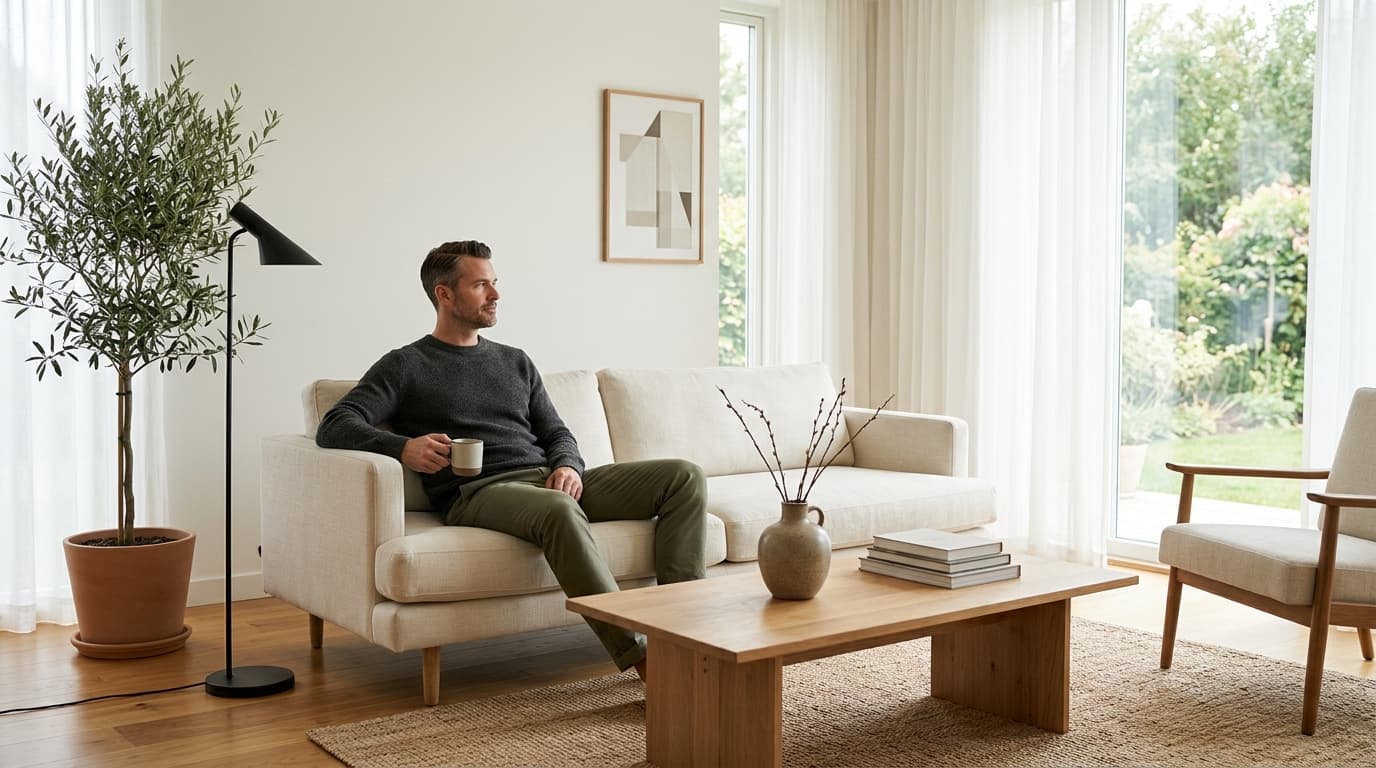
Color plays a vital role in minimalist interior design. This year, we are seeing a shift toward earth-toned neutrals: warm creams, soft beiges, muted terracottas, and sage greens. These colors provide a grounding influence and allow your furniture and decor pieces to stand out without competing for attention. Texture is equally important when you have fewer items in a room. Layering different materials adds depth and interest. Consider a chunky wool throw on a linen sofa, or a matte ceramic vase placed on a polished oak coffee table. The contrast between smooth and rough textures is what makes a minimalist room feel rich and inviting rather than empty.
The Role of Natural Light
In 2026, lighting is a key component of the minimalist experience. Natural light should be maximized whenever possible. Ditch heavy, dark curtains in favor of sheer fabrics that allow sunlight to filter through, brightening your space and making it feel larger. For the evening, focus on warm-toned ambient lighting. Layered lighting—using floor lamps, table lamps, and dimmable overhead lights—allows you to adjust the mood of your room instantly. Avoid overly ornate fixtures; instead, look for sculptural, minimalist lighting that doubles as art.
Mindful Purchasing and Sustainability
Minimalism is inherently sustainable. By choosing to buy less, you are reducing your environmental footprint. In 2026, we are seeing a surge in consumer awareness regarding where products come from. When you do need to add a new piece to your home, prioritize quality over quantity. Invest in well-made furniture that will last for years, rather than trendy, low-cost items that will likely end up in a landfill by the end of the season. Support local artisans or seek out vintage and pre-loved items. These unique pieces add character to your home and tell a story, which is the heart of a well-curated minimalist space.
Bringing Nature Indoors
Biophilic design remains a cornerstone of home decor in 2026. Minimalist homes often feature one or two large, healthy houseplants rather than dozens of small, cluttered pots. A single, statement-making fiddle leaf fig or a tall snake plant can act as a sculptural element, providing a pop of vibrant color and improving indoor air quality. By integrating nature into your decor, you reinforce the connection between your home environment and the natural world, which is essential for maintaining balance in our busy lives.
Embracing a minimalist lifestyle is a journey, not a destination. It requires constant evaluation and the courage to strip away the non-essential. As we move through 2026, remember that your home should reflect your values and provide the rest you deserve. By simplifying your surroundings, you are giving yourself the gift of clarity and peace. Start small, stay consistent, and enjoy the process of creating a home that truly feels like your own sanctuary. Whether it is through decluttering, selecting natural textures, or investing in timeless pieces, every step toward minimalism is a step toward a more intentional and rewarding life. Keep your eyes open for opportunities to refine your space, and never forget that in the world of design, less really is more.
Related Articles
Explore more articles you might like