Japandi Interior Design: The Minimalist Trend Dominating 2026
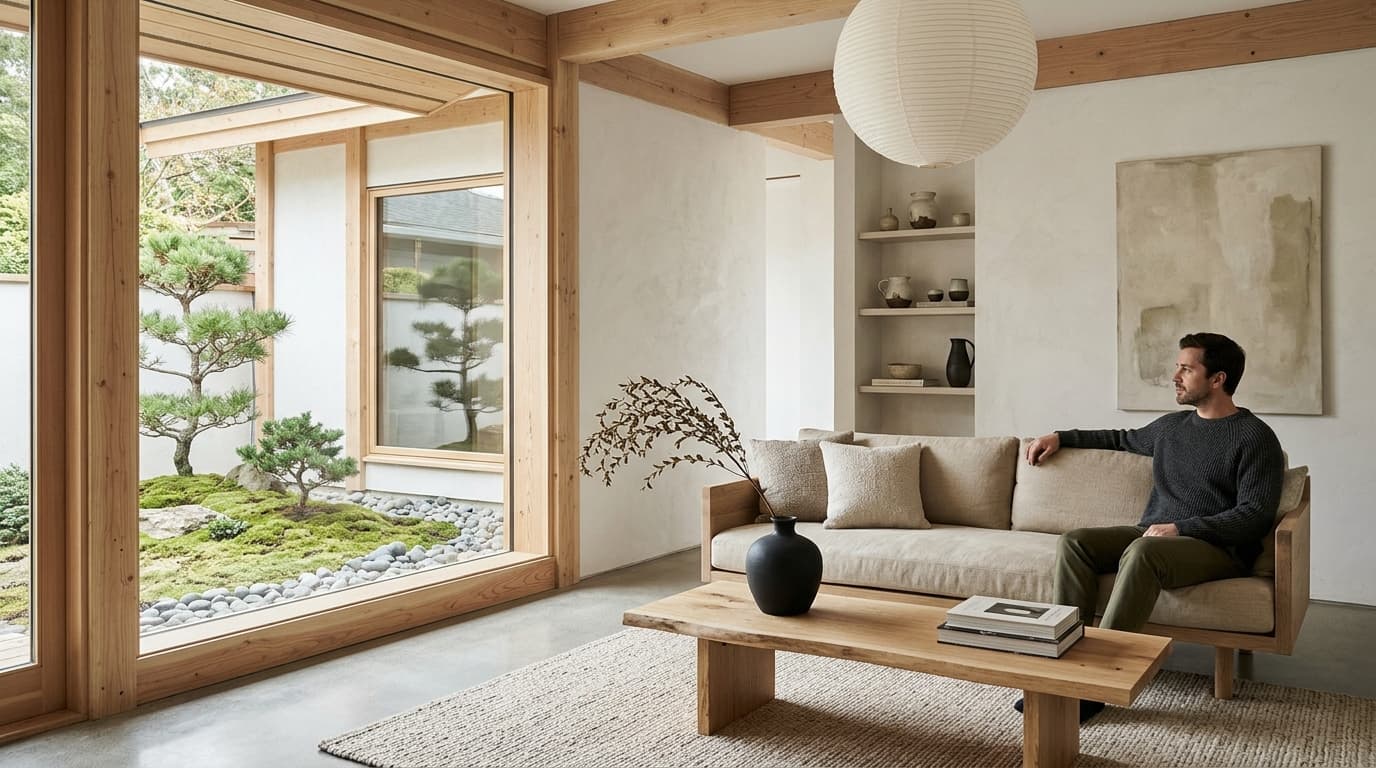
The Rise of Japandi: Why This Aesthetic is Taking Over US Homes in 2026
As we navigate through 2026, the interior design landscape in the United States has shifted toward a profound desire for tranquility, functionality, and intentional living. Enter Japandi, a sophisticated fusion of Japanese minimalism and Scandinavian functionality. This design philosophy has become the definitive trend of 2026, capturing the hearts of homeowners across the country who are seeking to transform their spaces into serene sanctuaries. Japandi is not merely a passing fad; it is a lifestyle approach that emphasizes the beauty of natural materials, clean lines, and the 'less is more' mentality.
The magic of Japandi lies in its ability to balance the rustic, cozy warmth of 'hygge' from Scandinavia with the sleek, disciplined elegance of Japanese design. In an era where our lives are increasingly digital and cluttered, this design style offers a much-needed breath of fresh air. Whether you live in a bustling urban apartment in New York or a sprawling suburban home in the Midwest, incorporating Japandi elements can elevate your living space into a haven of peace.
The Core Principles of Japandi Design
To master the Japandi look in 2026, you must first understand its foundational pillars. First and foremost is the emphasis on sustainability and high-quality craftsmanship. Japandi favors items that are built to last rather than mass-produced, disposable goods. This commitment to longevity is a hallmark of modern American home improvement trends. If you are looking to refresh your living area, you might find some easy home garden ideas to upgrade your space, as the connection to nature is vital to the Japandi aesthetic. By bringing organic textures and greenery inside, you bridge the gap between your interior decor and the natural world.
Color palettes in Japandi homes are intentionally muted. Think soft creams, warm beiges, earthy grays, and natural wood tones. These colors create a calming backdrop that allows the architectural features of your home to shine. When you curate your furniture, look for low-profile pieces with clean, geometric lines. Avoid excessive ornamentation; instead, let the quality of the wood—such as oak, ash, or walnut—take center stage. The goal is to create a space that feels curated, not crowded.
Creating a Japandi Sanctuary on a Budget
Adopting a new design trend can often feel intimidating, especially when considering the potential costs. However, achieving the Japandi look does not require a complete renovation or a massive bank account. In 2026, many savvy homeowners are finding that they can achieve high-end results through strategic shopping. If you are ready to start your transformation, it is worth checking out the best home garden bargains and limited-time offers to source sustainable decor pieces at a fraction of the retail price. Finding the right balance between quality and value is an essential skill for the modern decorator.
To truly embrace this style, start by decluttering. Japandi is rooted in the idea of intentionality. Remove items that do not serve a purpose or bring you joy. Once your space is clear, introduce a few statement pieces. A single, well-crafted ceramic vase, a linen throw blanket, or a sculptural floor lamp can act as a focal point. Remember, the Japanese concept of 'wabi-sabi'—finding beauty in imperfection—is key. Do not feel pressured to have a perfectly polished home; a slightly worn wooden table or a handmade clay bowl adds character and warmth that mass-produced items simply cannot replicate.
Lighting and Texture: The Unsung Heroes
Lighting plays a critical role in the Japandi aesthetic for 2026. In the United States, we often rely on overhead lighting, but Japandi encourages the use of soft, ambient light. Think paper lanterns, floor lamps with warm-toned bulbs, and maximizing natural light through sheer, lightweight curtains. The goal is to create a soft glow that makes your home feel inviting rather than clinical.
Texture is equally important. Because the color palette is so restrained, you must rely on tactile elements to add depth and interest to a room. Layering textures is the secret to making a minimalist room feel cozy. Combine smooth surfaces like polished wood with soft, nubby textiles like wool, linen, and jute. A thick, textured rug under a sleek wooden coffee table provides a perfect contrast that defines the Japandi style. By focusing on these sensory experiences, you create a space that is not only beautiful to look at but also incredibly comfortable to inhabit.
Bringing Nature Indoors
The final piece of the Japandi puzzle is the integration of nature. Houseplants are not just decorations in a Japandi home; they are essential companions. Choose plants with elegant structures, such as a tall fiddle leaf fig, a graceful snake plant, or a collection of bonsai trees. These living elements add a vibrant touch of green to your neutral palette and improve the air quality of your home. In 2026, the movement toward 'biophilic design'—designing with nature in mind—aligns perfectly with the Japandi ethos, making it easier than ever to find the right greenery for your specific climate and light conditions.
As we continue through 2026, the Japandi trend serves as a reminder that our homes should be reflections of our values. By prioritizing quality over quantity, embracing natural beauty, and creating spaces that promote mental well-being, we can build environments that support our busy lives. Whether you are starting small with a few simple decor changes or embarking on a room-by-room redesign, remember that Japandi is about creating a home that feels authentic to you. Take your time, curate your belongings with care, and enjoy the process of building a space that offers comfort, style, and peace in a rapidly changing world. The beauty of this trend lies in its timelessness; by investing in these principles now, you are creating a home that will remain stylish and serene for years to come.