How AI Tools Are Transforming Online Shopping in 2026
Introduction
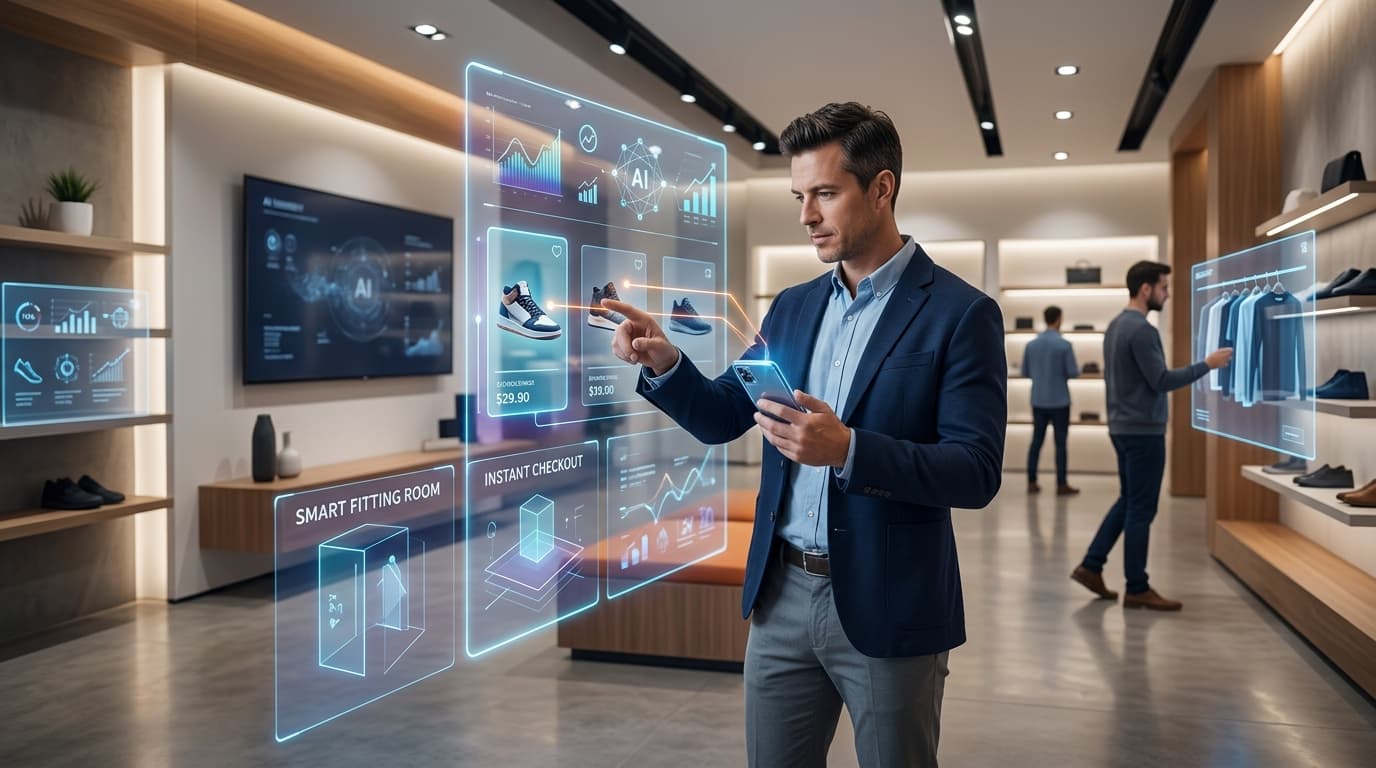
As we navigate through 2026, the online shopping landscape continues to evolve rapidly, largely driven by advancements in artificial intelligence (AI). From personalized recommendations to virtual shopping assistants, AI tools are not just enhancing the customer experience; they are reshaping the entire retail ecosystem. In this blog post, we will explore how these innovative AI technologies are changing online shopping, examining various tools and their implications for consumers and businesses alike.
The Rise of AI in E-commerce
The integration of AI in online shopping is not merely a trend; it is a fundamental change in how consumers interact with brands. Retailers are leveraging AI to analyze consumer behavior, predict trends, and optimize their marketing strategies. Here are some key ways AI is transforming e-commerce:
1. Personalized Shopping Experiences
Personalization has become a critical factor in online shopping success. AI algorithms analyze user data to offer tailored recommendations. For example:
- Product Recommendations: Based on browsing history and purchase patterns, AI suggests products that match individual preferences.
- Dynamic Pricing: AI tools adjust prices in real-time based on demand, competitor pricing, and customer behavior, ensuring competitive offers.
2. Enhanced Customer Support
AI chatbots and virtual assistants are revolutionizing customer service. These tools are available 24/7, providing instant responses to inquiries. Benefits include:
- Efficiency: AI chatbots can handle multiple queries simultaneously, reducing wait times.
- Cost-Effective: Businesses save on staffing costs while maintaining high customer satisfaction levels.
3. Visual Search and Augmented Reality
Visual search technology allows customers to upload images to find similar products online. This capability is enhanced by augmented reality (AR), which lets users visualize products in their own space. For example:
- AR Try-Ons: Retailers in the fashion and beauty sectors allow customers to virtually try on clothes or makeup before purchasing.
- Home Decor: Customers can see how furniture looks in their homes using AR applications, driving confidence in purchasing decisions.
AI Tools Driving Change
Several AI tools have emerged as game-changers in online shopping. Here are some notable examples:
1. AI-Powered Recommendation Engines
Platforms like Amazon and Netflix utilize sophisticated algorithms to recommend products based on user preferences. These engines analyze countless data points, including:
- Previous purchases
- Items viewed
- User demographics
2. Predictive Analytics
Predictive analytics tools help retailers forecast demand, manage inventory, and optimize pricing strategies. By analyzing historical data, these tools enable businesses to:
- Anticipate trends
- Minimize stockouts
- Reduce excess inventory
3. Automated Customer Segmentation
AI tools can segment customers into groups based on behavior and preferences, allowing for targeted marketing campaigns. This segmentation enables businesses to:
- Improve marketing ROI
- Craft personalized messages
The Benefits of AI for Consumers
Consumers are reaping the benefits of AI in online shopping, including:
- Convenience: Shopping is easier with AI assistants guiding users through the process.
- Informed Decisions: Access to detailed product information and reviews helps consumers make better choices.
- Time-Saving: AI reduces the time spent searching for products by providing relevant recommendations.
The Future of AI in Online Shopping
As we look ahead, the role of AI in online shopping is expected to grow even further. Emerging technologies such as:
- Natural Language Processing (NLP)
- Machine Learning (ML)
- Blockchain integration
will enhance the online shopping experience, making it more immersive and efficient. Businesses that adopt these technologies will likely gain a competitive edge in the marketplace.
Conclusion
In conclusion, AI tools are fundamentally transforming online shopping in 2026. From personalized experiences to enhanced customer support, the benefits for both consumers and retailers are immense. As technology continues to advance, the integration of AI in e-commerce will lead to even greater innovations, making shopping more convenient, enjoyable, and efficient. Retailers who embrace these changes will not only meet customer expectations but exceed them, positioning themselves for success in a competitive landscape.
Related Articles
Explore more articles you might like